The Original Trail Still Works
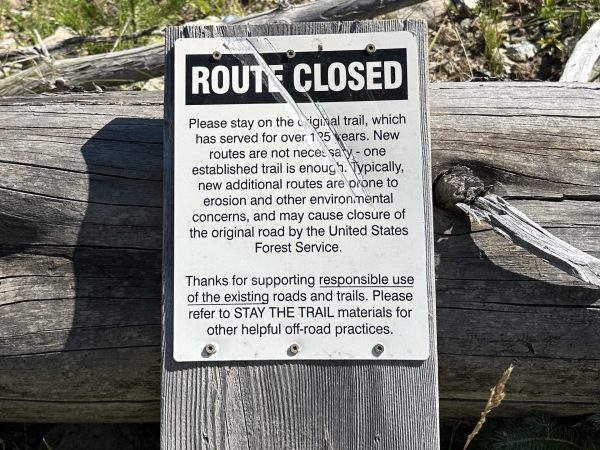
During an off-road ATV adventure this weekend, I came across a sign posted along a Forest Service road. It asked riders to stay on the original trail, which had served the area for more than 125 years.
The message explained that new routes were not necessary. Additional paths were more likely to cause erosion, create environmental concerns, and potentially lead to the closure of the original road.
While it was an important reminder about responsible trail use, I saw it also as a lesson about leadership.
We live in a time when there is always a new leadership model, management framework, assessment, book, podcast, or technology promising to help us lead more effectively. I firmly believe there is always room to learn and grow. Workplaces, expectations, and people change. And good leaders will remain curious, open, and willing to adapt.
But growth does not always require us to abandon what came before.
Some leadership practices have lasted not because no one has imagined anything new, but because they continue to work. And they work really well.
Treating people with dignity and respect. Listening before responding. Communicating clearly. Setting expectations. Keeping our commitments. Recognizing people’s contributions. Providing effective feedback. Addressing problems before they grow. Taking responsibility when something goes wrong.
None of these ideas are new. They’re also not outdated.
In fact, we frequently talk about the need to “get back to basics.” That phrase only makes sense because the basics remain valuable. We don’t return to them because they are old. We return to them because they work.
The thing is… basics require consistency.
Listening well once is not enough. Expectations need to be reinforced. Feedback needs to happen regularly. Trust is built through repeated follow-through. Recognition needs to be specific and sincere. Difficult conversations cannot continually be postponed.
Over time, these practices can start to feel ordinary. They lack the excitement of discovering a new model or introducing a new initiative. Our brains are drawn to novelty. New ideas can create energy, optimism, and the feeling that we are moving forward.
Sometimes that excitement is useful. A new approach may help us see a problem differently or give us better tools for responding to a changing environment.
But sometimes a new trail becomes an escape from the discipline required to stay on the established one.
Rather than admit that we have become inconsistent, we may look for a new framework to solve a problem that was simply caused by failing to practice what we already know.
We stop having meaningful one-on-one conversations, then look for a new engagement strategy. We fail to clarify expectations, then introduce a new accountability model. We neglect recognition and feedback, then wonder whether we need another employee experience initiative.
In my experience, the issue is probably not that the established approach has stopped working. It’s that we have stopped working at it.
This does not mean leaders should reject new ideas. There are definite times when a new route is necessary. Some practices do become outdated. New research can deepen our understanding. And new tools can help us apply timeless principles more effectively.
But newness alone is not evidence that something is better.
Constantly creating new routes can also cause a kind of organizational erosion. Employees become tired of changing terminology, shifting priorities, and leadership programs that disappear before they are fully practiced. Each new initiative receives less attention because people assume another one will soon replace it.
Eventually, even good ideas met with skepticism.
Before introducing another framework, here are a few questions we might pause and ask:
- Has the current approach truly stopped working, or have we stopped practicing it consistently?
- Have we given it enough time and attention to know whether it is effective?
- Are we missing knowledge, or are we missing discipline and follow-through?
- Will this new idea strengthen the established path, or simply create another route?
Leadership requires the humility to keep learning and the wisdom to recognize what still works. Sometimes progress means building a new path. A lot of the time, it means returning to the original trail and traveling it with greater intention.
It’s not that the basics no longer work. It’s that we no longer work consistently at the basics.